Pinus sylvestris
|
Donald J. Leopold |
| EFB 334: Woody Plants in Natural and Built Landscape (Fall 2003) | |||||||||||||||||||||
| Instructor: | Dr. Donald J. Leopold 333 Illick Hall 470-6784 email: djleopold@esf.edu website: http://www.esf.edu/efb/faculty/leopold.htm |
||||||||||||||||||||
| Office Hours: | MW 9:35 to 11:30 am; F 8:30 to 10:30 am, and by appointment
|
||||||||||||||||||||
| Laboratory Open Hours: | Illick 314, hours will be posted; likely open in evenings during week.
|
||||||||||||||||||||
| Lecture Meetings: | Thursdays 1:00 - 1:55 pm
|
||||||||||||||||||||
| Field/Lab Meetings: | Thursdays 2:00 - 5:00 pm; See handout for location and species covered each week
|
||||||||||||||||||||
| Textbook: | Manual of Woody Landscape Plants, 5th ed., M.A.. Dirr
|
||||||||||||||||||||
| Supplies Needed: | 10X hand lens, small pocket knife.
|
||||||||||||||||||||
| Grades: | Weekly field/lab quizzes, beginning second lab (lowest dropped). | ||||||||||||||||||||
|
The following will be assigned based on these categories of final class averages:
|
|||||||||||||||||||||
|
|||||||||||||||||||||
EFB 335: Dendrology/EFB 336: Dendrology I |
|||||||||||||||||||||
| Instructor: | Dr. Donald J. Leopold 333 Illick Hall 470-6784 email: djleopold@esf.edu website: http://www.esf.edu/efb/faculty/leopold.htm |
||||||||||||||||||||
| Office Hours: | MW 9:35 to 11:30 am; F 8:30 to 10:30 am, and by appointment
|
||||||||||||||||||||
| Objectives of Course: | (1) Introduce student to ~15% of the tree
species in North America (these 15% comprise ~85% of the forest cover); (2) In lecture, discuss silvical characteristics, ecological relationships, natural history, economic importance, wildlife relationships, and insect and disease problems of trees covered; (3) In lab, learn key identification characteristics (of leaves, bark, form, fruit, buds, twigs) and taxonomic relationships of each species; and, (4) Teach student skills in field and lab so that other species can be learned independently. EFB 335 (2 cr. hrs.) is only for Forest
Engineering students. The field/lab portion of both courses is identical. EFB 335 students meet for only one lecture each week; EFB 336 students have two lectures per week.
|
||||||||||||||||||||
| Laboratory Open Hours:: | Monday - Friday, 8 am - 10 pm, unless lab is
scheduled. TA lab hours will be posted soon.
|
||||||||||||||||||||
| Lecture Meeting: | Mondays and Wednesdays (EFB 336) 8:30-9:25 am Fridays (EFB 335) 11:45-12:40
|
||||||||||||||||||||
| Exam Schedule: | See A7 for lecture tests. Field tests begin the second lab
|
||||||||||||||||||||
| Field Meetings: | See A8
|
||||||||||||||||||||
| Textbooks: |
HARLOW AND HARRAR'S TEXYBOOK OF DENDROLOGY, Hardin et al. 2001, 9th ed., paperback (earlier editions are okay), bookstores FRUIT KEY AND TWICE KEY, Harlow, bookstores DENDROLOGY WORKBOOK, Bray Hall |
||||||||||||||||||||
| Also of Interest?: |
Trees of New York State. Native and Naturalized. D.J. Leopold, Syracuse University Press, 2003, 336 pages. Trees of New York Central Hardwood Forests of North America. An Identification and Cultivation Guide. D.J. Leopold, W.C. McComb, and R.N. Muller, Timber Press, 1998, 469 pages A Natural History of Trees (one volume on eastern, another on western trees). D.C. Peattie, Houghton Mifflin company, 1991.Silvics of North Americ. Vols. 1 and 2, free on-line |
||||||||||||||||||||
| Supplies Needed: | 10X hand lens, small pocket knife | ||||||||||||||||||||
| Page1 | Scientific Name | Family | Common Name | Page2 |
| 1 2 3 4 5 6 7 8 9 10 11 12 13 14 15 16 17 18 19 20 21 22 23 24 25 26 27 28 29 30 31 32 33 34 35 36 37 38 39 40 41 42 43 44 45 46 47 48 49 50 51 52 53 54 55 56 57 58 59 60 61 62 63 64 65 66 67 68 69 70 71 72 73 74 75 76 77 78 79 80 81 82 83 84 |
Populus tremuloides Populus balsamifera Betula papyrifera Pinus banksiana Larix laricina Picea mariana Picea glauca Abies balsamea Betula alleghaniensis Betula populifolia Fagus grandifolia Acer saccharum Pinus strobus Pinus resinosa Pinus sylvestris Picea rubens Picea abies Tsuga canadensis Thuja occidentalis Salix nigra Populus deltoides Juglans nigra Juglans cinerea Carya ovata Carya cordiformis Ostrya virginiana Quercus alba Quercus macrocarpa Quercus rubra Quercus velutina Quercus palustris Ulmus americana Celtis occidentalis Magnolia acuminata Liriodendron tulipifera Sassafras albidum Platanus occidentalis Prunus serotina Gleditsia triacanthos Robinia pseudoacacia Acer rubrum Acer saccharinum Acer negundo Tilia americana Nyssa sylvatica Cornus florida Diospyros virginiana Fraxinus americana Pinus rigida Juniperus virginiana Quercus phellos Quercus nigra Liquidambar styraciflua Ilex opaca Pinus echinata Pinus taeda Pinus elliottii Pinus palustris Taxodium distichum Chamaecyparis thyoides Pinus flexilis Pinus ponderosa Pinus contorta Picea engelmannii Picea pungens Abies lasiocarpa Abies concolor Pseudotsuga menziesii Pinus edulis Cupressus arizonica Umbellularia californica Pinus lambertiana Pinus sabiniana Abies magnifica Sequoia sempervirens Sequoiadendron giganteum Calocedrus decurrens Chamaecyparis lawsoniana Alnus rubra Pinus monticola Picea sitchensis Tsuga heterophylla Abies grandis Thuja plicata |
Salicaceae Salicaceae Betulaceae Pinaceae Pinaceae Pinaceae Pinaceae Pinaceae Betulaceae Betulaceae Fagaceae Aceraceae Pinaceae Pinaceae Pinaceae Pinaceae Pinaceae Pinaceae Cupressaceae Salicaceae Salicaceae Juglandaceae Juglandaceae Juglandaceae Juglandaceae Betulaceae Fagaceae Fagaceae Fagaceae Fagaceae Fagaceae Ulmaceae Ulmaceae Magnoliaceae Magnoliaceae Lauraceae Platanaceae Rosaceae Caesalpiniaceae Fabaceae Aceraceae Aceraceae Aceraceae Tiliaceae Nyssaceae Cornaceae Ebenaceae Oleaceae Pinaceae Cupressaceae Fagaceae Fagaceae Hamamelidaceae Aquifoliaceae Pinaceae Pinaceae Pinaceae Pinaceae Taxodiaceae Cupressaceae Pinaceae Pinaceae Pinaceae Pinaceae Pinaceae Pinaceae Pinaceae Pinaceae Pinaceae Cupressaceae Lauraceae Pinaceae Pinaceae Pinaceae Taxodiaceae Taxodiaceae Cupressaceae Cupressaceae Betulaceae Pinaceae Pinaceae Pinaceae Pinaceae Cupressaceae |
quaking aspen balsam poplar paper birch jack pine tamarack, eastern larch black spruce white spruce balsam fir yellow birch gray birch American beech sugar maple eastern white pine red pine Scotch pine red spruce Norway spruce eastern hemlock northern white-cedar black willow eastern cottonwood black walnut butternut, white walnut shagbark hickory bitternut hickory eastern hophornbeam white oak bur oak northern red oak black oak pin oak American elm hackberry cucumbertree yellow-poplar sassafras American sycamore black cherry honeylocust black locust red maple silver maple boxelder American basswood blackgum, black tupelo flowering dpgwood persimmon white ash pitch pine eastern redcedar willow oak water oak sweetgum American holly shortleaf pine loblolly pine slash pine longleaf pine baldcypress Atlantic white-cedar limber pine ponderosa pine lodgepole pine Engelmann spruce blue spruce subalpine fir white fir Douglas-fir pinyon Arizona cypress California-laurel sugar pine digger pine California red fir redwood giant sequoia incense-cedar Port-Orford-cedar red alder western white pine Sitka spruce western hemlock grand fir western red cedar |
385 389 362 129 152 162 164 185 358 365 300 440 98 134 136 159 157 177 219 382 391 278 280 283 295 371 311 314 331 334 342 263 271 241 246 252 254 405 412 416 445 449 452 376 429 422 401 466 145 232 348 349 258 431 141 143 148 137 212 226 108 114 124 168 170 200 198 171 111 224 250 105 121 191 205 209 216 228 368 103 165 179 195 221 |
_________________________________________________
1 refers to page number in the workbook
2 refers to page number in the Textbook of Dendrology (Harlow et al. 1996, 8th ed.)
| EFB 542: Freshwater Wetland Ecosystems | ||||||||||||||||||||||||||||||||||||||||||||||||||||||||||||||||||||||||||||||||||||||||||||||||||||||||||||||||||||||||||||||||||||||||||||||||||||||||||||||||||||||||||||||||||||||||||
| Class Meetings: | MWF 9:35 a.m. to 10:30 a.m. in 139 Baker
|
|||||||||||||||||||||||||||||||||||||||||||||||||||||||||||||||||||||||||||||||||||||||||||||||||||||||||||||||||||||||||||||||||||||||||||||||||||||||||||||||||||||||||||||||||||||||||
| Instructor: | Dr. Donald J. Leopold 333 Illick Hall 470-6784 (office)/472-2388 (home) email: djleopold@esf.edu
|
|||||||||||||||||||||||||||||||||||||||||||||||||||||||||||||||||||||||||||||||||||||||||||||||||||||||||||||||||||||||||||||||||||||||||||||||||||||||||||||||||||||||||||||||||||||||||
| Office Hours: | MWF 8:15 a.m. to 9:15 a.m. and after class until
11:45 am; or, by appointment.
|
|||||||||||||||||||||||||||||||||||||||||||||||||||||||||||||||||||||||||||||||||||||||||||||||||||||||||||||||||||||||||||||||||||||||||||||||||||||||||||||||||||||||||||||||||||||||||
| Course Objectives: | (1) Describe the structure and function of
freshwater wetlands. (2) Evaluate ecological principles that broadly apply to all wetland ecosystems, and contrast to terrestrial systems. (3) Determine effect of management activities on, and the management potential of wetlands.
|
|||||||||||||||||||||||||||||||||||||||||||||||||||||||||||||||||||||||||||||||||||||||||||||||||||||||||||||||||||||||||||||||||||||||||||||||||||||||||||||||||||||||||||||||||||||||||
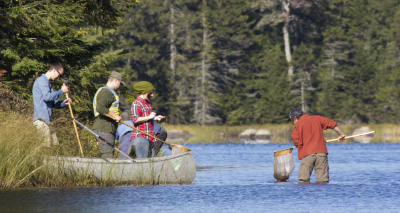
| Scope: | The course covers wetland terms and types,
wetland hydrology, biogeochemistry, and succession. Basic plant adaptations to wetlands
are discussed. Various wetland ecosystems are examined relative to geographical extent,
geomorphology, hydrology, chemistry, ecosystem structure, and ecosystem function
(succession, productivity, nutrient cycling, etc.). The ecosystems analyzed include: tidal
freshwater marshes, inland freshwater marshes, northern peatlands and bogs, southern
deepwater swamps, and riparian wetlands. Values, management, and the restoration and
creation of wetlands are also discussed.
|
|||||||||||||||||||||||||||||||||||||||||||||||||||||||||||||||||||||||||||||||||||||||||||||||||||||||||||||||||||||||||||||||||||||||||||||||||||||||||||||||||||||||||||||||||||||||||
| Methods and Materials: | Wetlands, by W.J. Mitsch and J.G.
Gosselink (2nd ed., Van Nostrand Reinhold Co., 1993), is the textbook. Additional reading
is required for writing assignments. Undergraduate grades are based on written exams (550
points; two regular exams scaled to 150 points each, final scaled to 250 points) and
weekly unannounced quizzes (50 points). Undergraduates may choose to write a term paper
(substitute for 150 exam points, which will be averaged with scores from two regular
exams). Graduate grades are based on written exams (350 points; two regular exams at 100
points each, final worth 150 points), weekly unannounced quizzes (50 points), a term paper
(100 points), and oral presentation (100 points). There will be about 10 unannounced
quizzes during the semester, which will typically take place during the first five minutes
of class. Students who are late or absent for any quiz receive a "0" for that
quiz. I will drop the lowest quiz grade for each student before calculating quiz average.
|
|||||||||||||||||||||||||||||||||||||||||||||||||||||||||||||||||||||||||||||||||||||||||||||||||||||||||||||||||||||||||||||||||||||||||||||||||||||||||||||||||||||||||||||||||||||||||
| Grades: | Grades will be assigned according to the
following scale:
|
|||||||||||||||||||||||||||||||||||||||||||||||||||||||||||||||||||||||||||||||||||||||||||||||||||||||||||||||||||||||||||||||||||||||||||||||||||||||||||||||||||||||||||||||||||||||||
| 2003 Schedule: |
FINALS WEEK: Two-hour FINAL EXAM; 50% over material from Exams I and II and 50% over all material related to Chapters 16, 17, 18, 19, 20 and 21, AND wetland diversity paper. _________________________________________________ |
|||||||||||||||||||||||||||||||||||||||||||||||||||||||||||||||||||||||||||||||||||||||||||||||||||||||||||||||||||||||||||||||||||||||||||||||||||||||||||||||||||||||||||||||||||||||||
| Experience | Publications
| Research | Teaching | Service | Courses | Home |
| Return to EFB Home Page | Return to ESF Home Page |